
Breast Cancer Awareness Month

A breast cancer diagnosis can change a life in one appointment. Early detection cannot prevent every case, but it can often find cancer when treatment options are broader and outcomes are better. That is why Breast Cancer Awareness Month matters. It turns attention toward one simple, lasting message: know your body, know your risk, and do not delay screening.
This article is for general information only and is not a substitute for medical advice. Personal screening decisions should be made with a licensed health care professional.

Early detection gives treatment a stronger start
Breast cancer is not one disease with one path. Some cancers grow slowly. Others grow more quickly. Some cause visible changes. Others do not cause symptoms at first.
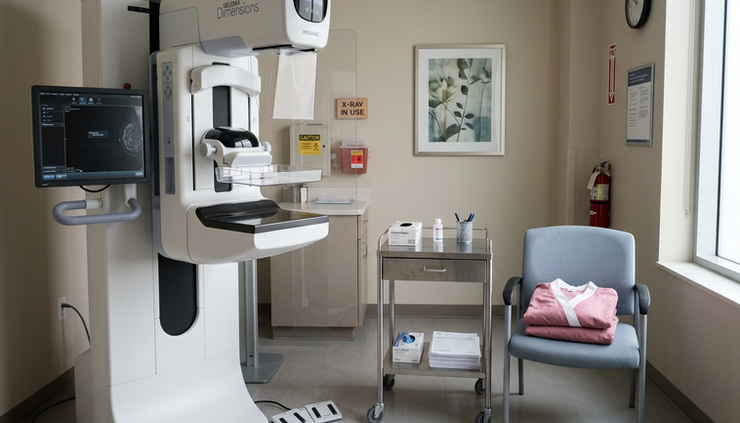
That is the main reason screening matters. A mammogram can sometimes find breast changes before a lump can be felt. When cancer is found earlier, it may be smaller and less likely to have spread. In many cases, that gives the care team more choices.
Early detection may help with:
Less extensive treatment
Some people may need less aggressive surgery or fewer treatments when cancer is caught early.
More treatment options
Doctors can often tailor care more effectively when they know what is happening sooner.
Better chances of successful treatment
Earlier-stage breast cancers are generally more treatable than cancers found later.
Breast Cancer Awareness Month is a helpful prompt, but the goal is year-round follow-through. Awareness only helps when it leads to action.
Screening is not the same for everyone
There is no single screening plan that fits every person. Age, family history, genetics, breast density, past biopsies, and personal health history can all affect when to start screening and how often to repeat it.
For many people at average risk in the United States, mammography begins around age 40. Some people need to start earlier or may need extra imaging, such as ultrasound or breast MRI, based on risk.
A helpful conversation with a clinician may include:
When to begin mammograms
How often to get screened
Whether dense breast tissue affects the plan
Whether family history suggests genetic counseling
What changes should be reported right away
People with a parent, sibling, or child who has had breast cancer should ask about risk earlier, not later. The same is true for anyone with known inherited gene changes, prior chest radiation, or a history of high-risk breast findings.
Knowing normal helps you notice change
Breast self-awareness is not about fear or constant checking. It means knowing what is normal for your body so changes are easier to spot.
Many breast changes are not cancer. Hormones, aging, cysts, infections, and injuries can all cause symptoms. Still, new or unusual changes deserve attention.
Call a health care professional if you notice:
A new lump or thickened area in the breast or underarm
Swelling, warmth, redness, or darkening
A change in breast size or shape
Dimpling or puckering of the skin
Nipple discharge that is new, bloody, or occurs without squeezing
Nipple turning inward when it did not before
Persistent pain in one area
Skin that looks scaly, flaky, or irritated around the nipple
The key word is new. A change does not have to be painful to matter. It also does not have to be large. If something feels different and does not go away, getting it checked is the right step.
Awareness should include everyone
Breast cancer is most common in women, but it can affect men and people of all gender identities. Men often have less breast tissue, but they can still develop breast cancer. A lump, nipple change, or discharge should be evaluated.
Awareness also has to include access. Some people delay screening because they are uninsured, underinsured, busy with caregiving, worried about cost, or afraid of what the test might show. Others have had past medical experiences that made them feel dismissed.
These barriers are real. They are also why community reminders, mobile screening programs, patient navigators, and plain-language education matter. A message is stronger when it helps people take the next step, not just feel concerned.
How to turn awareness into action
A pink ribbon can start a conversation. A plan can save time, reduce anxiety, and make screening easier to complete.
Here are practical steps to take this month:
Check your screening status
If you are due or unsure, schedule a mammogram or ask your clinician what timing is right for you.
Review your family history
Ask relatives about breast, ovarian, pancreatic, or prostate cancer in the family. These details can affect risk.
Ask about breast density
Dense breast tissue can make mammograms harder to read and may raise risk. Your clinician can explain what it means for you.
Set a recurring reminder
Put screening reminders on your calendar. Add the name of the clinic, phone number, and any insurance details you may need.
Support someone else with care
Offer a ride, childcare, or a reminder. Small support can remove a real barrier.
Report changes quickly
Do not wait for the next annual visit if something new appears.
The best plan is one you can actually follow. If cost is a concern, ask clinics, local health departments, or community health centers about low-cost screening programs.
Prevention and detection work together
Not every breast cancer can be prevented. Still, healthy habits can support overall health and may help reduce risk for some people.
Common risk-reducing steps include staying physically active, limiting alcohol, maintaining a healthy weight when possible, and talking with a clinician about hormone therapy risks and benefits. People at higher risk may have additional options, including enhanced screening or preventive medicine.
Detection remains essential because healthy people can still get breast cancer. A person can eat well, exercise, have no family history, and still be diagnosed. Screening is not a sign that something is wrong. It is a routine part of caring for the body.

The takeaway for this month and every month
Breast Cancer Awareness Month is more than wearing pink. It is a reminder to act before symptoms appear, to speak up when changes happen, and to help others get the care they need.
Early detection matters because time matters. If a screening is overdue, schedule it. If family history is unclear, ask about it. If something feels different, bring it up. One appointment can provide answers, peace of mind, or a faster path to care.
Upcoming mammogram clinics
November 17th and December 17th, 2026
Contact - Zandra Tenorio 505-552-5358 to schedule


Comments